A First Year of CPM Reflection
It was the last week of July, 2017, and I decided I was ready for a change in my career. As I wrote my letter of resignation, I was open to endless possibilities, but knew that school in most public sectors of rural Indiana would be starting very soon. I started searching the Internet and decided to apply at Culver Academies, a boarding school approximately 25 miles northwest of where I already lived. I was not expecting an email the following morning requesting an interview, one that would change my entire outlook on education. During my interview I was asked about my knowledge of CPM. What was CPM? I had never heard of the curriculum, nor did I have any time to waste. After accepting a position, I immediately asked if I could attend the training to learn as much as I could before school started. The closest workshop that was in session was in Minnesota under the direction of Lisa Comfort. She graciously accepted me and I headed out west.
I participated in a fabulous three-day interactive training of the CPM curriculum. Not only should the workshops be a requirement for anyone teaching with the program, but Lisa Comfort, the Regional Coordinator for Minnesota, was beyond exceptional. I felt that I was more prepared to teach Core Connections, Geometry after a short amount of time than I had with any other summer preparation or professional development I have ever done.
As the school year began, and I embraced each lesson, I fell in love with CPM. Not only were the students engaged, I realized how much closer I became to my students. I was actually feeling good about my teaching, and planning for each day was fun. I was doing the lessons ahead of time, integrating teaching strategies, creating team building activities, and still finding time to make the class original and unique with my own flare. One of the coolest things that I use is the “CPM Tip of the Week” that Lisa emails to our group every Monday morning. I have mastered some of the study team and teaching strategies, and I am working to improve with others. I have the unique and awesome opportunity to work with two expert CPM teachers at my new school. We have built-in collaboration time daily, so I really am blessed.
The last major CPM impact for me happened just recently in San Francisco at the CPM National conference for teachers. Wow! What an awesome weekend. My energy level is still super high and my students are already benefiting from my attendance at the conference. I was honored to be able to attend the conference and was blown away with the generosity and knowledge that was shared. I have attended and presented at several professional development conferences, but this one was different. It was personable, professional, and made an impact. I was very inspired, and spent time on the flight home documenting all the things that I wanted to do when I got back to school. It can be very overwhelming with a lot of new information, but at the conference, we were all speaking and hearing the same language. It is hard for me to manage my excitement knowing that I cannot do it all, so I jotted down a couple new teaching strategies I want to do, like the Fortune Cookie or Hot Seat. I want to have my students do a “silent cheer” for our competitions that we already are doing in class. I want to add more to my “week at a glance” and be creative with my Mystery Student. I need to become diligent about closures and understand the importance of team norms and what makes effective teams. I need to make sure my students are a part in the creation of the teams and team norms. Most importantly, the conference reaffirmed that my HEART is full of passion and love for kids and teaching and CPM has brought joy to the classroom at Culver.
Keep reading
More from CPM educators
Assessment
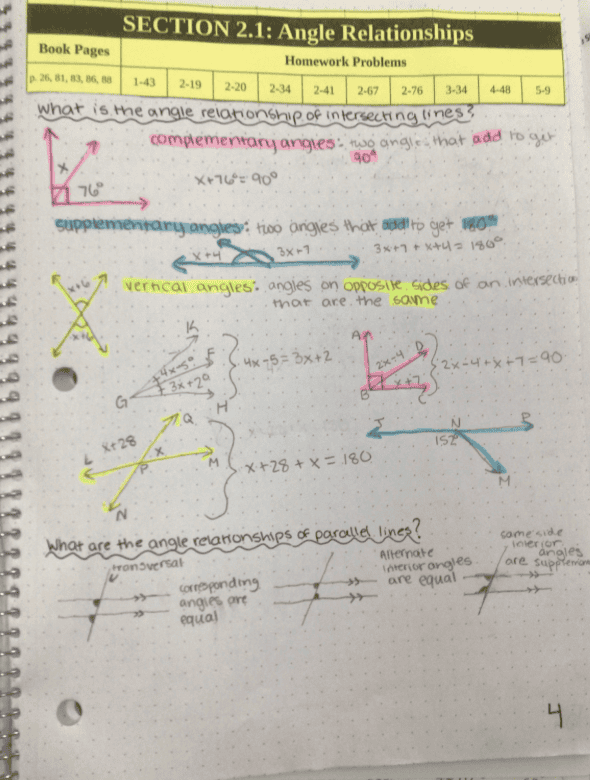
Giving Math Notebooking a Try
In general, “notebook” is a noun: a person, place, or thing. This year, we have tried to make it a verb: an…
Instructional Practices
How Can Teachers Empower Students to Overcome Apathy?
In my last two years of teaching, I found myself starting the school year more excited and hopeful than ever. I believed…

Collaborative Learning
Rich Problems on Whiteboards: A Powerful Combination!
Transitioning to a problem-based curriculum can feel intense. I was excited when my district adopted CPM. I love the way CPM builds…