
Team Interactions: Bringing Every Student Back into the Conversation
What to do when a student drifts from the team, from letting teams solve problems first to using team roles and strategies that raise a student’s status.

When a student isn’t working, is being ignored, is separating from the team, is falling behind, is giving up, or is asking questions that go unanswered, pause and observe the team before stepping in. Some off-task talk helps teams warm up to collaboration, so decide whether the team needs your support or just a little more time.
Put the problem back in the team’s hands
When a team is not collaborating effectively, try to understand what is happening, but place responsibility for solving the problem on the team whenever possible. Revisit the class teamwork expectations, such as consulting everyone on the team before calling on the teacher and making sure no one person dominates the discussion.
Use team roles to reconnect students
Team roles give each student a clear way to participate and can help reconnect a student who has drifted from the team. Remind the team what each role sounds like in action. You might ask the team:
- What problem are you all on?
- How come _____ doesn’t have this information?
- Can you explain how you solved this problem?
- Coordinator, how will you check that everyone agrees?
Raise the status of overlooked students
Students with lower perceived status are more likely to have their ideas ignored. Publicly assign competence by naming a specific contribution a student made.
Study Team and Teaching Strategies (STTSs) can elevate status and bring a student back into the conversation. Call a Huddle for the team role that student holds, so they bring key information back to the team. A Teammates Consult has everyone share ideas before writing, and Numbered Heads gives each member a specific responsibility.
Keep these patterns from settling in
Forming Visibly Random Teams each day and using a Team Spotlight to recognize positive contributions can keep these patterns from settling in over time.
More great tips to consider
- Use brain breaks, both with the class and with teams, whenever possible.
- Encourage students to share ideas using their full linguistic repertoires, including home languages, gestures, and drawings, so every teammate has a way to contribute.
- Make sure to celebrate the wins, no matter how big or small!
Keep reading
More from CPM educators
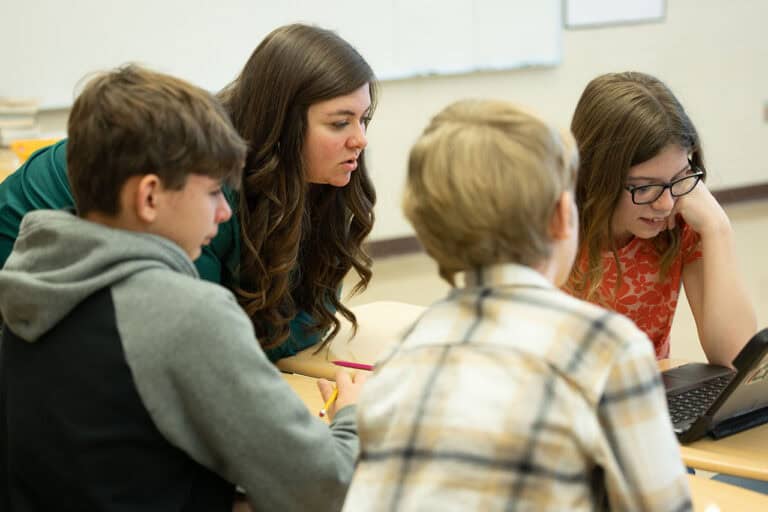
Collaborative Learning
Start Strong: Building a Collaborative Classroom from Day One
Teams on day one, students helping write the class expectations, and the CPM resources that make your first weeks easier.
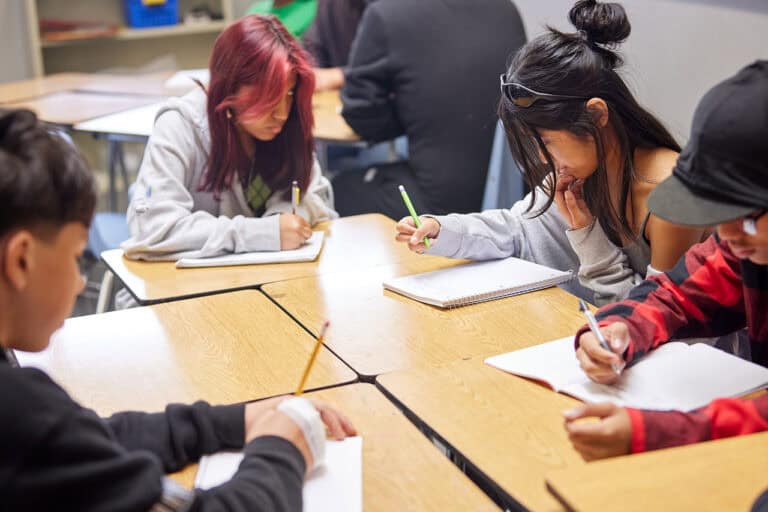
Collaborative Learning
Teams, Not Groups: How to Form and Refresh Study Teams
Why “teams” beats “groups,” three ways to form new teams, and how to help new teams gel quickly.
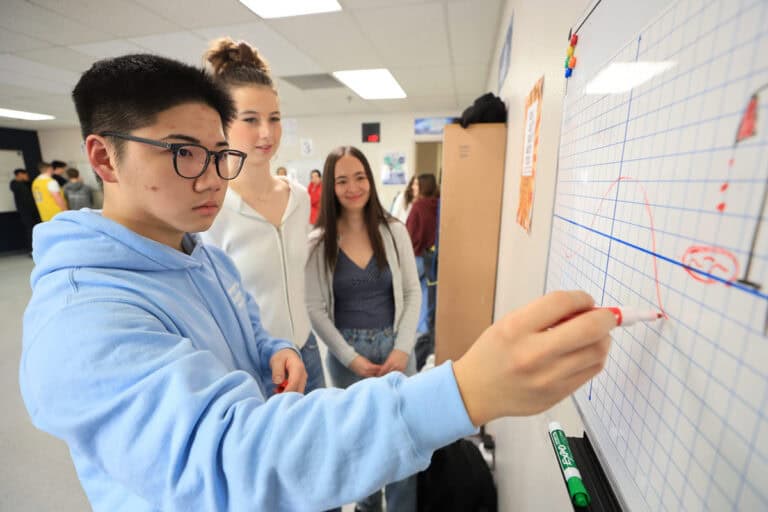
Collaborative Learning
Building Productive Teams: Expectations and Feedback That Work
Help students picture a productive team, give feedback that builds confidence, and set up the room so teams can really talk.