
Teams, Not Groups: How to Form and Refresh Study Teams
Why “teams” beats “groups,” three ways to form new teams, and how to help new teams gel quickly.
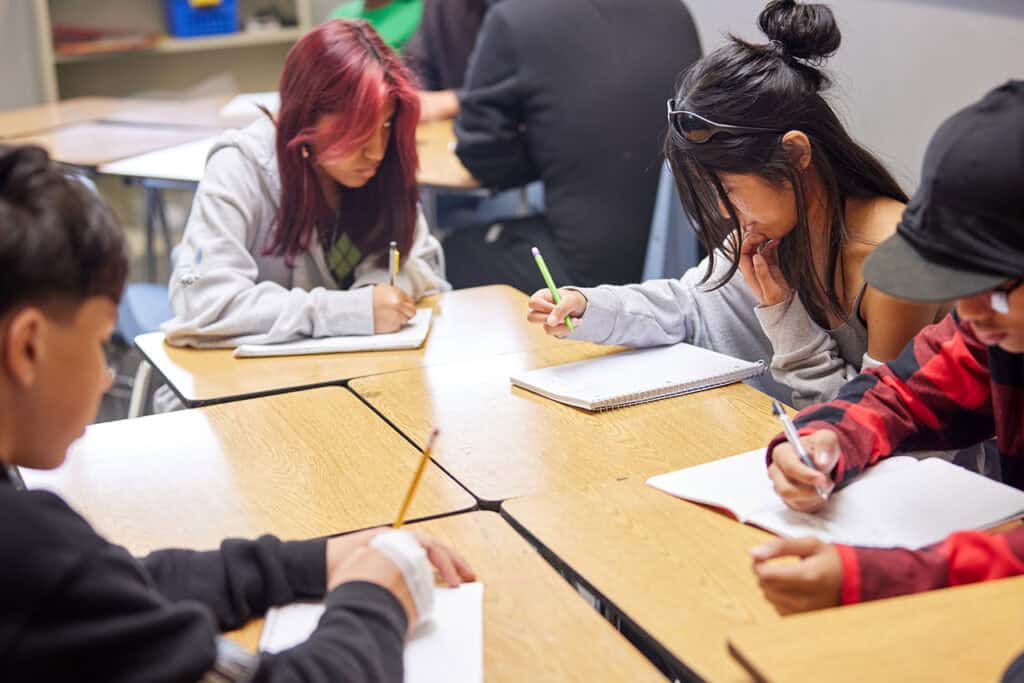
Words matter. Calling students “teams” rather than “groups” fosters a sense of interdependence, builds autonomy and pride in the work they produce together, reinforces team roles and each member’s contribution, and reminds students they’re working toward a common goal. The idea of a team is powerful on the field, on the court, and in the classroom. Look for ways to weave it into your classroom’s collaborative culture.
How often to change teams
A good rule of thumb is to change teams every couple of weeks, every chapter, or even daily.
Three ways to form teams
- Fixed (assigned). Use what you know about your students’ strengths to build teams of heterogeneous learners.
- Random. Use a deck of cards or any of the random grouping strategies in your eBook. Making teams visibly random is highly recommended.
- Fixed-random. Move individual members of existing teams to new teams. For example, have all Resource Managers move one table clockwise, or ask whoever has the most siblings to move two tables away. Keep going until the teams are mixed to your satisfaction. This works as an icebreaker, too.
Start every new team with an icebreaker
When you form new teams, run a quick icebreaker so students feel more comfortable with each other and more willing to share their thinking. Icebreakers aren’t always included in the text, so choose one that fits your lesson. You’ll find options in the Supplemental Resources eBook and in your regular eBook.
Try a Participation Quiz
This is a great week for a Participation Quiz if you haven’t done one yet. Each chapter’s assessment plan suggests where one fits. Focus on the team skills you most want to see improve.
Dig into Team Support in your eBook
On the Teacher tab, Team Support includes a guidebook for using study teams, the purpose of study teams, ideas for organizing the classroom and using team roles, a rubric for teamwork, and much more.
Now is a good time to explore Team Resources. You’ll find printable resources for Team Sorts, Team Roles and Norms, and Team Strategies, including a slide deck of Study Team and Teaching Strategies and MLRs, to help build collaboration routines in your classroom.
Keep reading
More from CPM educators

Collaborative Learning
Start Strong: Building a Collaborative Classroom from Day One
Teams on day one, students helping write the class expectations, and the CPM resources that make your first weeks easier.
Collaborative Learning
Building Productive Teams: Expectations and Feedback That Work
Help students picture a productive team, give feedback that builds confidence, and set up the room so teams can really talk.

Collaborative Learning
Teams Not Clicking Yet? Why Collaboration Is Worth the Wait
It’s normal for teams to take two or three months to click. Here’s why the hard work of team building pays off.