
Assessment That Builds Learning: Self-Evaluation and Mastery Over Time
Student self-evaluation, a class list for getting unstuck, and test design that reflects mastery over time.
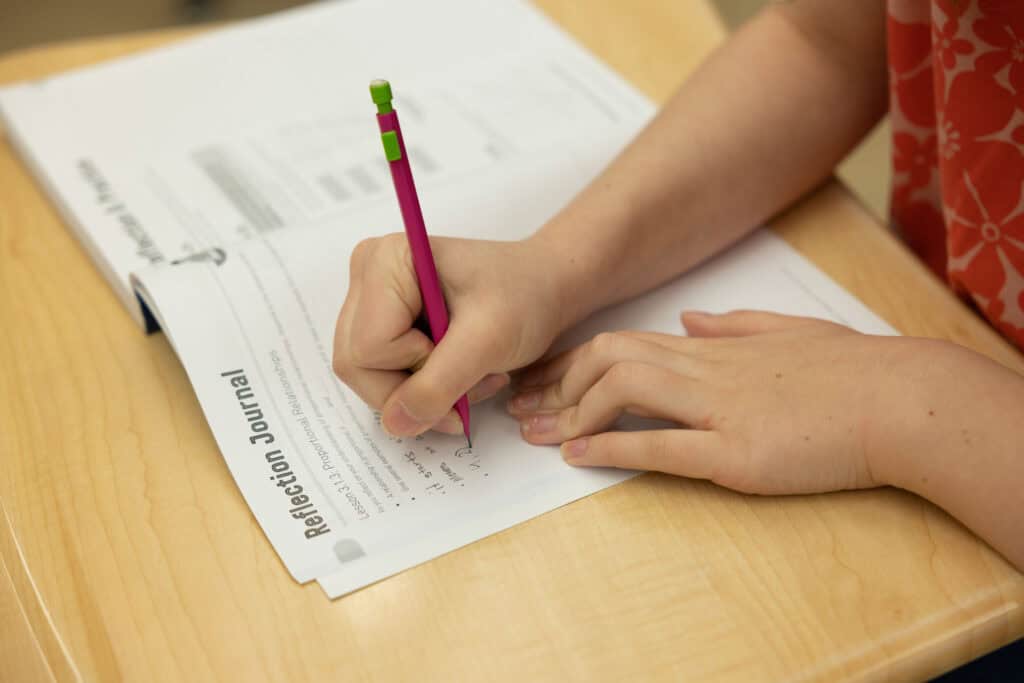
This is a good week for students to evaluate their own progress. Have them reflect on how they participate in their teams, how they use team roles, their commitment to completing and understanding the homework, and their overall understanding of the concepts so far.
Build a class list for getting unstuck
Lead students in creating a class list of things to try when they’re stuck, and display it on a chart or bulletin board. It might include:
- Ask a teammate.
- Look in the book for a similar problem.
- Reread the problem.
- Check the Math Notes boxes.
- Reread the focus questions.
- Ask the teacher.
- Move on to the next problem to jog a memory or spark a connection.
You might also use an I Spy for stuck teams, or keep the class list in Digital Learning Logs, which also help students keep track of their Learning Log notes.
Design tests for mastery over time
Mastery takes time. About 60% of the items on a test should come from previous chapters, and about 40% from newer, developing concepts. Team assessments should include only a few challenging problems, focused on problems that require students to work together.
Use team assessments as feedback
Team assessments don’t need to be graded. Instead, review student work for the strengths it shows, in both the mathematics and the solution strategies, and point out where students need more work, with suggestions for what to do next.
Where to find assessment support
- The Assessment tab in your teacher eBook
- The Suggested Assessment Plan in each Chapter Opening (Teacher Notes)
- The assessment website under CPM Links in your teacher eBook
The “Ideas for Individual Test” section lists the problems that support the content expected for mastery. Since students are working these problems anyway, how could you use them for formative assessment, or to streamline the time spent on formal assessments?
Keep reading
More from CPM educators
Assessment
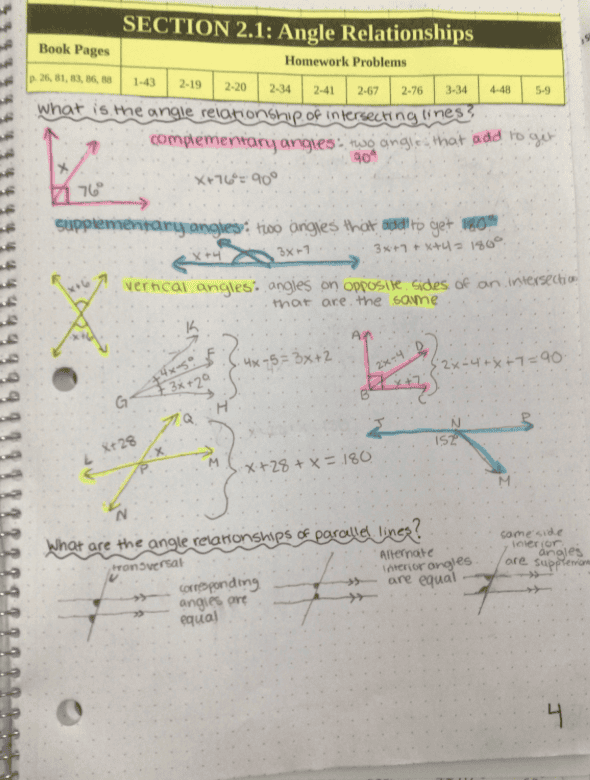
Giving Math Notebooking a Try
In general, “notebook” is a noun: a person, place, or thing. This year, we have tried to make it a verb: an…
Assessment
The Gift of a Pebble in Your Shoe: The Great Responsibility of Grading in a Math Classroom
As snow begins to melt and temperatures start to rise, “Spring Cleaning” is the term often used around this time of year…
Assessment
Creating Team-Focused Assessments in the Classroom
As educators, we constantly seek ways to align our assessments with how students learn. More and more, students engage in collaborative learning…