
Purposeful Circulation: A Plan for Every Pass Around the Room
Make classroom circulation purposeful: plan a job for every pass around the room, spread your attention fairly, and answer questions with questions.
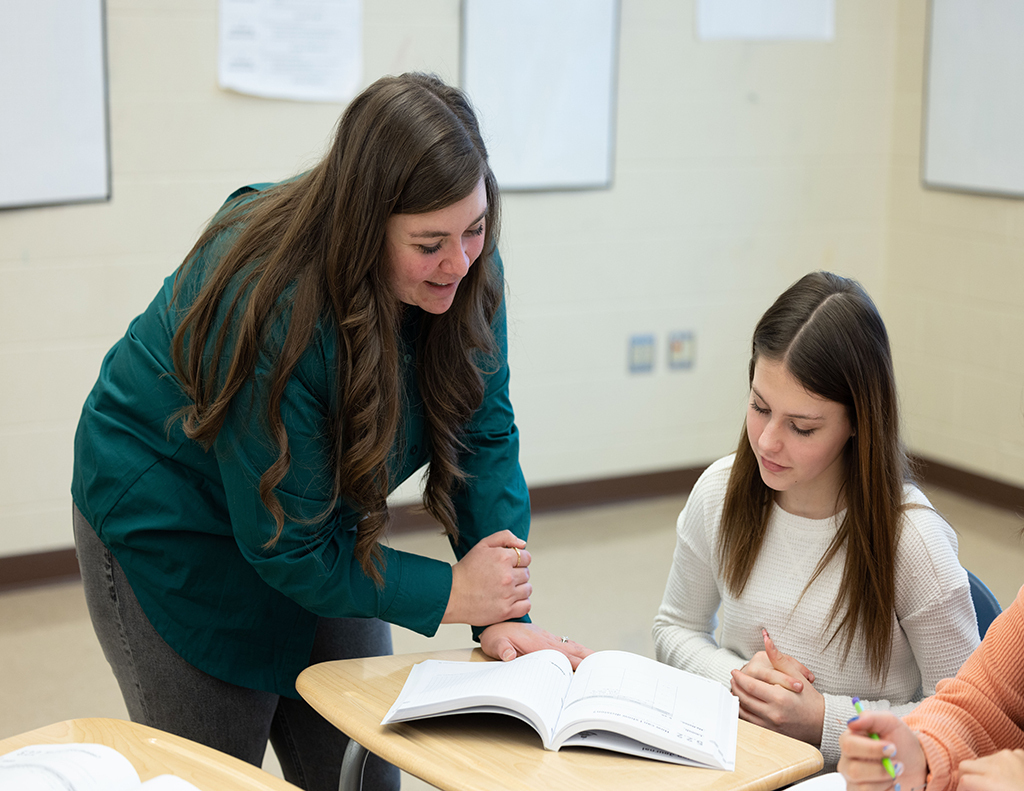
Effective circulation techniques are essential to productive teamwork and progress on challenging tasks. Make your circulation more purposeful by mapping out a specific path and planning a specific purpose for each pass.
Plan a purpose for each pass
Give each trip around the room its own job:
- 1st pass: Check that teams have begun and understand the task; answer only clarifying questions.
- 2nd pass: Listen to team conversations and note common themes, questions, and conceptions. Press for justification, ask questions that build students’ developing understanding, and consider whether a pause for a class discussion is needed.
- 3rd pass: Ask questions that advance whatever approach a team is taking. Invite teams with different answers to compare strategies.
Vary your route
Think about how you will vary your circulation routine to distribute your attention more equitably. This will prevent one team from always getting your first (or last) attention.
Answer questions with questions
Respond to yes-or-no questions (e.g., “Is this correct?”) and questions asked because you are nearby (e.g., “Is this the same thing we did last week?”) with a question that keeps students thinking, such as, How can you determine the answer to that question?
Hold back your own ideas
Avoid offering your own suggestions or ideas as this might suggest there is one correct answer. Instead, ask questions to keep students thinking, such as:
- What patterns are you noticing?
- Who can build on that idea?
- Can you try some different numbers?
- How do you know this is correct?
More great tips to consider
- Promote productive struggle by connecting teams who need a nudge using a Cross-Pollination strategy such as a Swapmeet, Stop and Scan, Huddle, or Share Around.
- Circulation is a powerful form of formative assessment. Note the questions, conceptions, and strategies you hear as you move among teams, and use them to decide your next steps, such as calling a Huddle, addressing a common error, or choosing which strategies to share during the class discussion.
- To learn more about circulation, read the article The Three Pass Promise: Promoting Purposeful Circulation.
Keep reading
More from CPM educators
Collaborative Learning
Study Team and Teaching Strategies: Choosing the Right Strategy at the Right Time
How to find out more about the Study Team & Teaching Strategies suggested in the Teacher Notes, choose a strategy that fits…
Collaborative Learning
Team Interactions: Bringing Every Student Back into the Conversation
What to do when a student drifts from the team, from letting teams solve problems first to using team roles and strategies…

Collaborative Learning
Start Strong: Building a Collaborative Classroom from Day One
Teams on day one, students helping write the class expectations, and the CPM resources that make your first weeks easier.