
Sustaining Successful Teams: Keeping Collaboration Strong All Year
Keep study teams collaborating all year: notice when teams lose focus, reflect with your class, spotlight good teamwork, and change teams often.
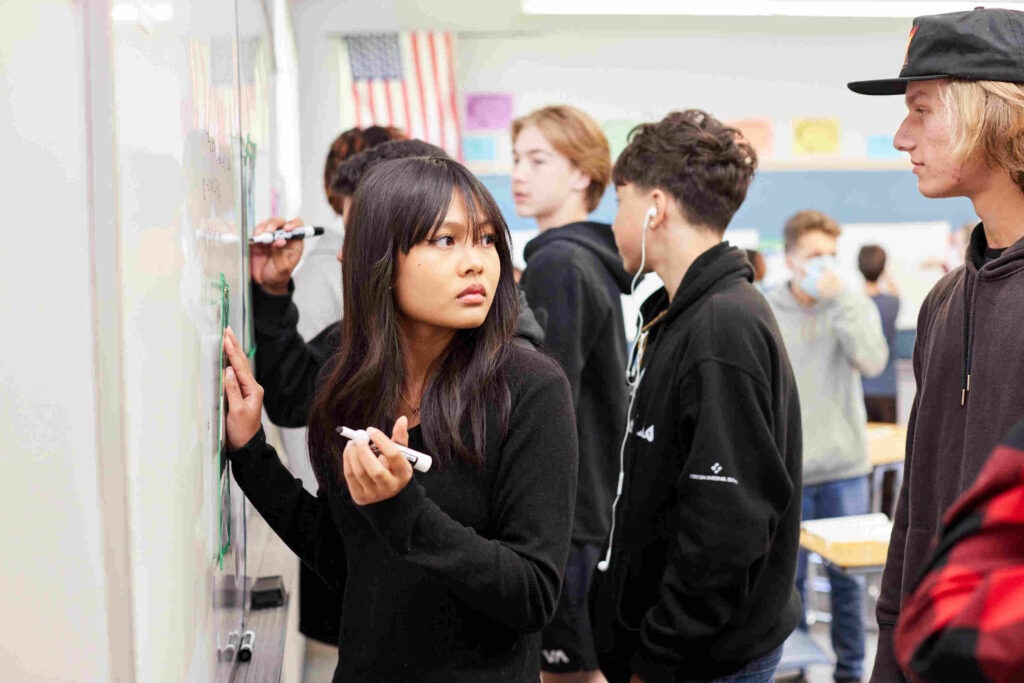
Teams that started off collaborating well may begin to lose focus as the year goes on. Don’t worry, this is a normal part of teamwork! The key is to notice it early and respond right away. When students talk openly about what’s working and what isn’t, and then work through it together, teams come out even stronger.
Notice what is working
Take time to identify what is working and what is not. Use questions like these to reflect with your class or to guide your observations as you circulate:
- Does every team member share ideas, and is the work accessible to everyone?
- Do teams give reasons for their ideas and take risks, even when they are unsure?
- Do teams expect participation from every member and persist when stuck?
- Do teams make sure everyone understands or agrees before moving on?
Revisit agreements and spotlight teamwork
Once you’ve identified what teams need to work on, use it to guide your next steps. Start with a class discussion about what collaborative teamwork looks and sounds like, and revisit your class agreements together. Then try a Team Spotlight to reinforce your teamwork expectations. With your class, choose a team characteristic to focus on based on what you noticed, such as risk-taking or valuing each other’s contributions. Record and share positive examples as teams work, and then have teams reflect on the feedback.
Change teams often
Changing teams often helps keep collaboration fresh. Visibly Random Teams, formed at the start of each lesson, in full view of students, remove a common signal about student status and make teams more collaborative. Try a deck of cards or the team generator on the Teach tab of each lesson in Inspiring Connections or Core Connections 3rd Edition. Establish a classroom culture in which every student is welcomed as a valued teammate, and model how to greet new teammates positively each time teams change.
More great tips to consider
- Talk through the roles. If conversations lag, start the day by having students suggest what each role might sound like and look like in that day’s activity.
- Keep the roles visible. Refer often to a team roles poster, cards, or resource page, especially as students rotate roles and join new teams.
- Start fresh each day. Treat each day as a new start, especially for students who have struggled with class agreements.
Keep reading
More from CPM educators
Collaborative Learning
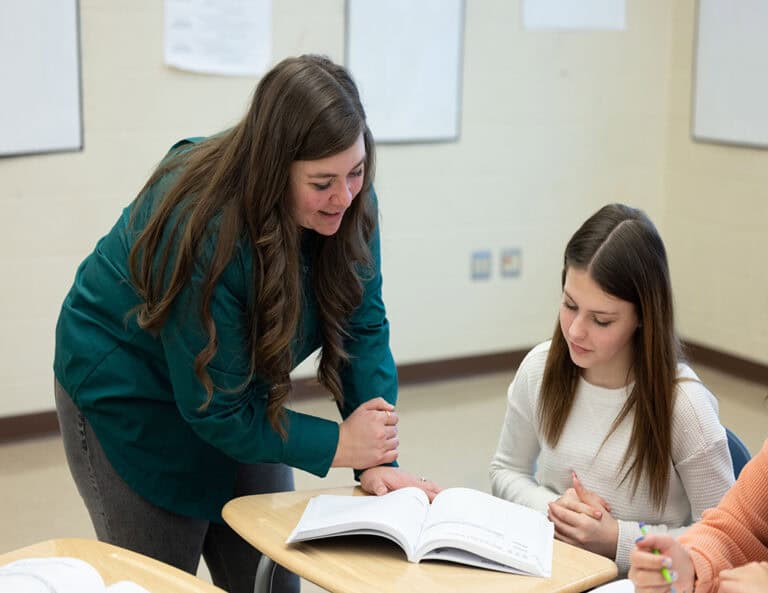
Purposeful Circulation: A Plan for Every Pass Around the Room
Make classroom circulation purposeful: plan a job for every pass around the room, spread your attention fairly, and answer questions with questions.
Collaborative Learning
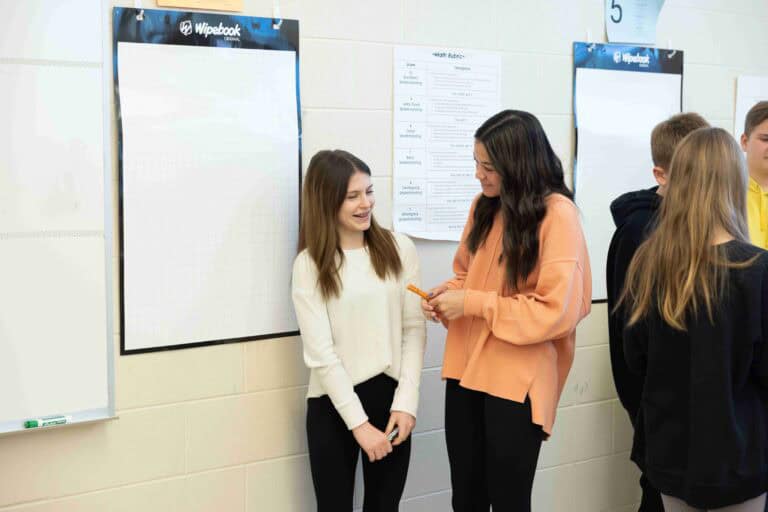
Study Team and Teaching Strategies: Choosing the Right Strategy at the Right Time
How to find out more about the Study Team & Teaching Strategies suggested in the Teacher Notes, choose a strategy that fits…
Collaborative Learning
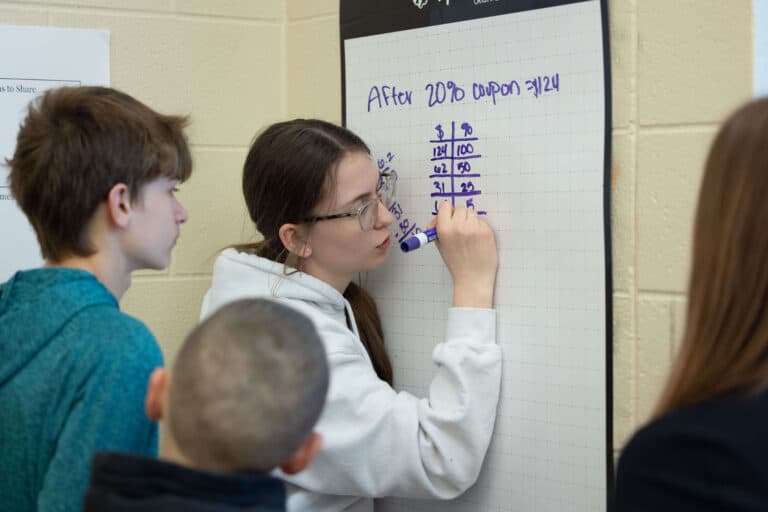
Team Interactions: Bringing Every Student Back into the Conversation
What to do when a student drifts from the team, from letting teams solve problems first to using team roles and strategies…